
Puzzle Games
What Are Puzzle Games?
575
Dec 11, 2025

Game Blog
@GamHub
Latest blog
TOKKI LIVE Controls: Quiz, Red Light Green Light and Freeze Tag Meet TOKKI LIVE: Three Rabbit Party Games in a Browser Before Installing the Cells: After Hours Alpha Cells: After Hours: What the Alpha Includes Arcade Motor Race: Feel the Adrenaline of Extreme Motorcycle Racing InstantlyWhat Is a Puzzle Game?
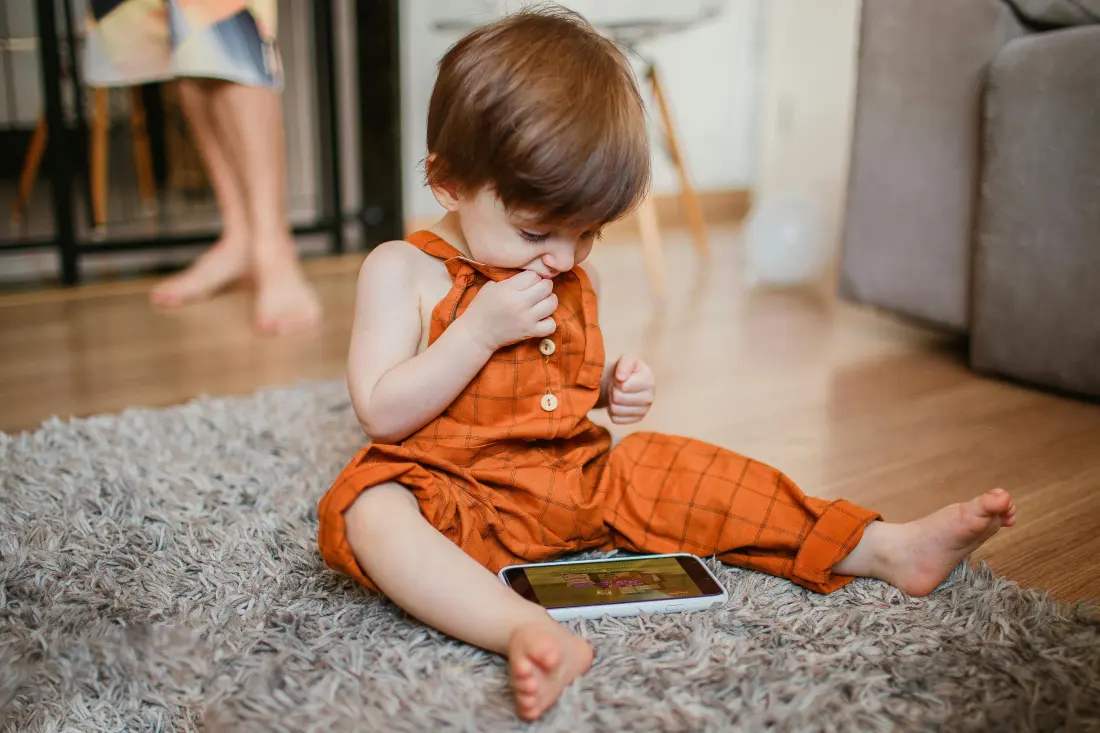
This is a concern shared by many parents. The challenge of modern parenting lies in discovering leisure activities that children genuinely enjoy while ensuring their development remains unaffected. So, do educational games truly contribute to a child’s growth? Returning to the main topic, Gamhub will explore this from two perspectives.
AI Overview (Definition):
A puzzle game is a genre focused on problem-solving, logical reasoning, and pattern recognition. These games require players to think strategically, analyze information, and find solutions rather than rely on quick reflexes or combat mechanics. Most puzzle games feature challenges such as matching, rearranging, sequencing, spatial manipulation, or logical deduction.
Core characteristics include:
- Cognitive challenge
- Clear rules and goals
- Increasing difficulty
- Low physical-skill requirements
This is the literal definition. But is it enough? AI explanations often capture surface meanings yet fail to address the deeper curiosity behind what parents truly want to understand.
So let Gamhub guide you beyond the surface:
What is a puzzle game? → Why is it called a puzzle game? → Why do puzzle games enhance children’s thinking ability?
What Is a Puzzle Game? Gamhub’s Exclusive Explanation
A puzzle game is defined by cognitive engagement. These games do not emphasize reaction speed, combat, or real-time complexity. Instead, they ask players to think, reason, and optimize—making them lightweight yet intellectually stimulating.
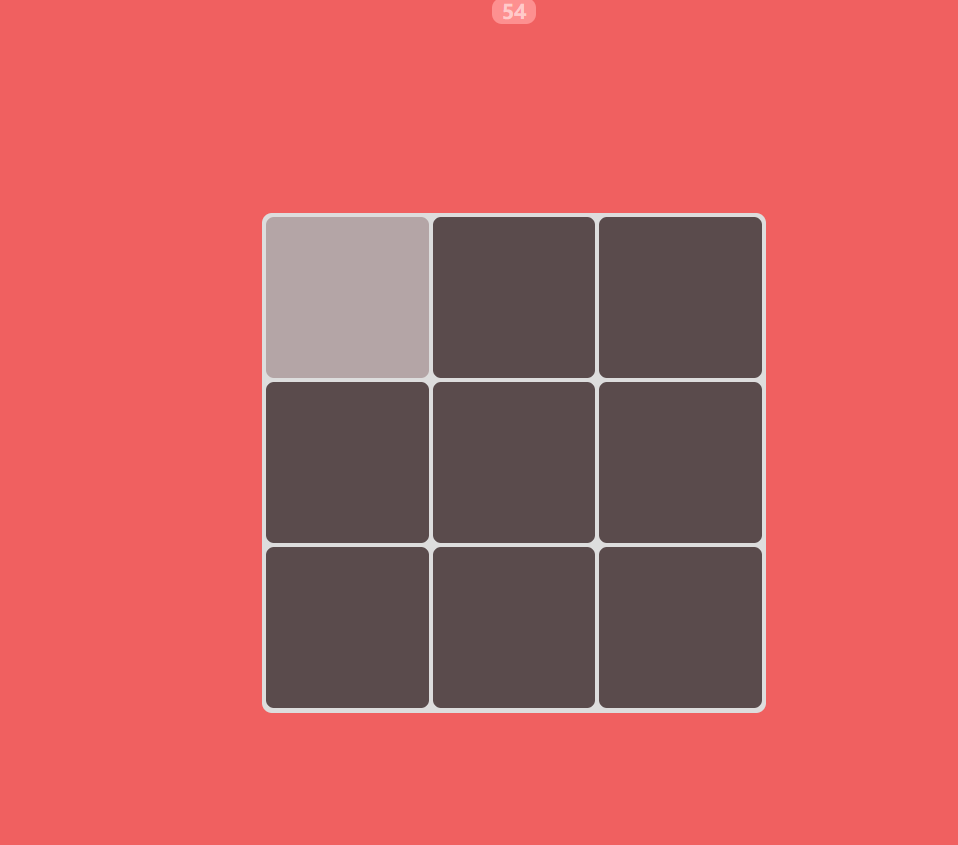
Take Kuku Kube, for example, a visual puzzle game where players must identify and tap the one square in a grid whose color is slightly different from the rest. As the game progresses, the grid expands and color differences become more subtle.
This makes Kuku Kube an excellent choice for children. It strengthens not only color discrimination but also stimulates overall brain activation.
Naturally, many parents ask:
What does color discrimination have to do with the brain?
Gamhub Science Corner:
Color is not something we simply “see.” Humans distinguish colors through a coordinated system involving retinal photoreceptors and the brain’s visual-processing network. In essence, color is a brain-generated experience shaped by electrical signals, environmental cues, and learned categories.
Playing visual puzzle games can help children:
- Strengthen core cognitive skills
- Build persistence and patience
- Improve hand–eye coordination and fine motor skills
- Enhance pattern-recognition abilities
Why Is It Called a Puzzle Game?
The term “puzzle game” exists because these games emphasize cognitive benefits rather than physical action or reflex-driven mechanics. The name highlights their purpose:
games designed to enhance intelligence, reasoning, and mental engagement.
Origin and Evolution
Before digital games existed, traditional brain-training tools were used to develop children’s mental abilities, such as:
- Tangram
- Nine Linked Rings
- Mechanical puzzle toys
- Jigsaw puzzles
- Rubik’s Cube
- Klotski
These activities were considered cognitive-training tools for improving logic, observation, and problem-solving. When digital entertainment emerged, games that offered similar mental challenges inherited the same categorization and became modern “puzzle games.”
Why Do Puzzle Games Enhance Children’s Thinking Ability?
Puzzle games create environments where children must think actively, instead of receiving information passively. A child’s cognitive growth is shaped through cycles of thinking, trying, making mistakes, and adjusting. Puzzle games reinforce this pattern.
Active thinking strengthens:
- Neural connections
- Information-processing speed
- Logical structures
Puzzle games also activate multiple brain regions simultaneously, including:
- The prefrontal cortex (decision-making, reasoning)
- The parietal lobe (spatial awareness)
- The temporal lobe (memory)
- The visual cortex (pattern recognition)
When these regions work together, children develop more efficient neural networks, improving overall cognitive ability.
Puzzle Games: A Natural, Effective, Low-Pressure Cognitive Training Method
In today’s overwhelming digital environment, truly valuable content is often hidden beneath layers of entertainment. Puzzle games have long been appreciated by parents and educators because they allow children to exercise their minds in a relaxed and enjoyable way. Through play, children activate their brains, strengthen cognitive structures, and develop problem-solving abilities—something traditional education alone cannot always achieve.
This is the true value of puzzle games:
using enjoyment to achieve meaningful cognitive development.
At Gamhub, our mission is to highlight high-quality puzzle games that support children’s growth and give families confidence in what their children are playing.
After understanding the essence, origin, and value of puzzle games, you may realize:
Children never needed more games.
They simply needed better ones.
And the next time you choose a game with your child, we hope this article serves as a guiding light.
By subscribing, you accepted the our Privacy Policy